California Tribes Prepare for 2028 Online & Retail Sports Betting Ballot Vote
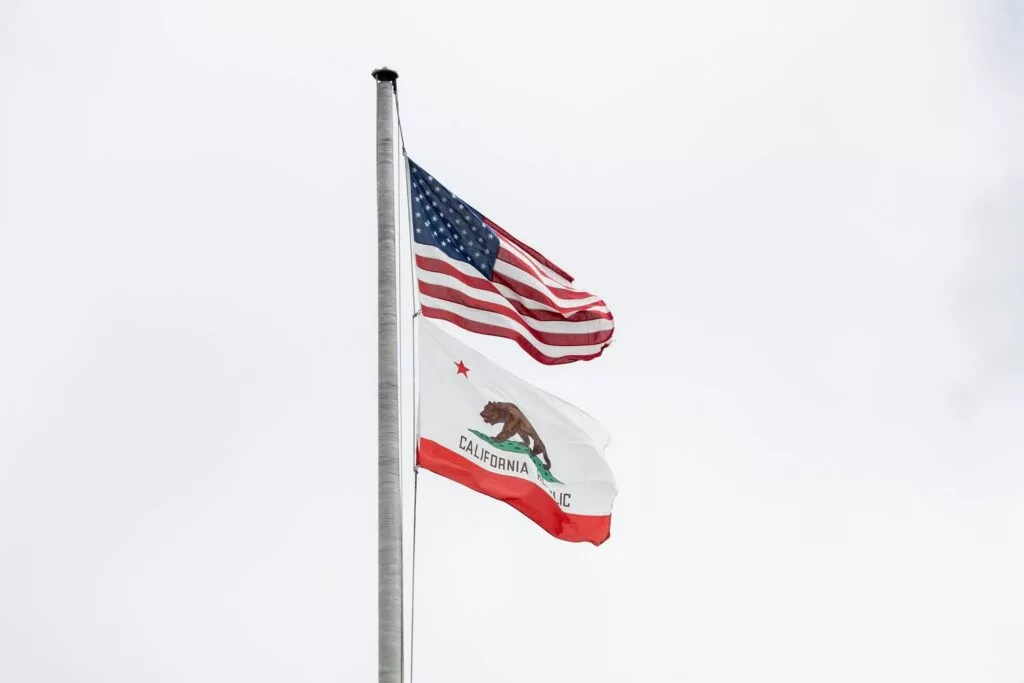
California ranks at the top of the list of United States territories in several respects, but one major attraction is missing: legalized sports betting.
As of June 2026, 39 U.S. states (plus Washington, D.C., and Puerto Rico) have legal sports betting, and 30 of them have it in the online/mobile form.
Eventually, California could be in that same boat, as tribal groups from within the state are looking to put online and retail sports betting at tribal casinos on the upcoming 2028 ballot.
2022 Effort for Sports Betting in CA
A pair of similar measures failed in 2022, and now the tribal groups hope to learn from those mistakes and bring one of the fastest-growing activities to a state that is known globally.
After all, California is home to some of the most popular sports franchises, like the Golden State Warriors, Los Angeles Dodgers, and Los Angeles Lakers, so the appetite for betting in a legendary sports town is certainly there. It is also the most populated state in the country, making it a prime destination for major sportsbook operators.
Back in 2022, two competing propositions were put up against one another,
- Proposition 26: looked to legalize in-person sports betting exclusively at tribal casinos and select racetracks.
- Proposition 27: looked to legalize online/mobile sports betting and have the revenue support homelessness.
Each of the two proposition campaigns was among the most expensive in California’s history, with the two combined exceeding $400 million.
The tribal group’s big dollars went out on the offensive against the mobile sports betting proposition, saying that it threatened their “sovereign gaming rights established under Proposition 1A in 2000.” Under federal law and state compacts, the tribes have exclusive rights to Class III gaming (casinos with slots and table games) on their lands.
Many of the tribes argued that in-person betting was very important to their people, as it provided entertainment, jobs, and economic growth. Any hindrance to that business, such as gambling straight from your phone, would be detrimental to their community.
Californians Vote on 2022 Propositions
Neither proposition fared well in the 2022 vote, with Proposition 26 receiving only about 30% support and Proposition 27 only 16%.
Looking back at the $400 million spent on those previous campaigns, it’s a tough pill to swallow for the tribal communities, who made no inroads in securing support. However, there were certainly some lessons to be learned from those missteps.
For one, the two-proposition path seems like it confused voters more than anything. A single-focus, detailed presentation will work better this time around. Furthermore, the tribal groups will have had six years before the 2028 vote, giving them time to fine-tune where necessary.
On the contrary, the in-person sports betting bill receiving only 30% isn’t a great sign either. Perhaps the voters were holding out for a better deal, but do we really believe they are patient?
California Flirts with Legal Online Sports Betting
Online betting has become incredibly popular, but California residents have had some form of it before. Daily fantasy sports (DFS), sweepstakes casinos, and offshore sportsbooks have all had their time under the Pacific sun.
More recently, the state has been cracking down on some of these methods, leading people to believe this is paving the way for legalized sports betting.
DFS, Sweepstakes Casinos vs California
Sweepstakes casinos have been the main target for many states across the U.S, but California took its crackdown to the next level. On the first day of 2026, Governor Gavin Newsom signed AB 831, prohibiting operating or supporting online sweepstakes games.
DFS continues to operate in the Golden State amid uncertainty, even though Attorney General Rob Bonta issued an official legal opinion stating that the platform constitutes illegal sports betting under California law.
Related Articles
Tribal Gaming in California
The tribal gaming industry is alive and booming in California, with Yaamava’ Resort & Casino (San Manuel) and Pechanga Resort Casino among the most successful in the U.S.
According to reports, the tribal gaming in California brings in around $35 billion annually and provides over 180,000 jobs. The addition of sports betting would dramatically increase these numbers and provide additional boosts to hotels, restaurants, and other nearby businesses.
If the tribal groups can strike a deal for online/mobile sports betting, in addition to in-person betting at tribal casinos, it would be the best possible outcome. With the highest population in the country residing here in the Golden State, the reach could potentially go throughout the entire state.
There are well over 100 federally recognized tribes, even outside California, coming together to work on the 2028 ballot measure. The tribal groups realize the significance of this upcoming vote, so they cannot leave any stone unturned this time around.
Potential Framework for Legal Sports Betting in California
Many of the details of what legal sports betting in California would look like are still being finalized, but there are other states to look to as a guide for what might happen here.
Retail and online will be essential if things pass this time around. There are 30 U.S. states with mobile betting, and nearly all of them generate significant revenue through taxes. These states will attest to the benefits that tax revenue hauls in, but of course, plenty of people are worried about the dangers that sports betting brings.
Responsible Gambling in California
Part of the framework for every state is to have a plan for responsible gambling tools, such as showcasing the 1-800-GAMBLER number and providing various helpful links throughout the site. In addition, it would require proactive measures, such as monitoring player habits and setting spending limits.
California has historically opposed sports betting, rejecting it on numerous votes. However, if the guidelines are clear and fair, the wishful thinking is that voters will come around, given the precedent for working in so many other U.S. states.
Broader Implications for California
For Californians, the legalization of sports betting would bring a sense of assuredness to a market that hasn’t had it in this space yet.
In some areas, there is broad oversight. The state’s definition of the DFS platform seems quite unclear, but I think most players would agree that the shady days are well behind us. There was a time when DFS had little oversight, and some people took advantage of it.
California Card Rooms, Looming Debt
It’s fair to wonder how California card rooms would fare in the same atmosphere as sports betting. Granted, the two require different skills and methods, but it’s possible that wagering on sports eats into some of the card room profits. I highly doubt the state would mind, considering sports betting would bring in desperately needed revenue.
California’s state government is currently $497 billion in debt, and sports betting could generate $570 million in tax revenue. Clearly, that would be far off the mark as the sole savior of the debt, but they have to start somewhere.
California Looks Ahead to 2028
If you have watched any Dodgers or Lakers games in recent weeks, you’ll see the billboards and floor signage for major sportsbook operators everywhere. Is that a sign of things to come? Maybe.
I believe it’s clear that every U.S. state is on some sort of path or at least sitting down at the table for discussions. For the most populous state in the country not to be in the mix, it feels like some of the juice is missing.
In the grand scheme of things, it appears that California and its tribal groups have maintained a decent relationship that could go a long way in the long run. I imagine that California has seen the estimated numbers in revenue it could bring in; sooner or later, those temptations will continue to grow.
There is still plenty of time between now and 2028, and I believe we are seeing some real headwinds going in the right direction. Of course, this all comes down to the voters, who have not supported legalizing sports betting in the Golden State. With some good graces from the tribal groups and a little more time to think about it, this could be the change in pace that finally gets the deal done.
